10 Quick Fixes Before Calling Air Conditioning Repair in North Miami
Published: 2026-06-19 · By MaxCold AC Repairs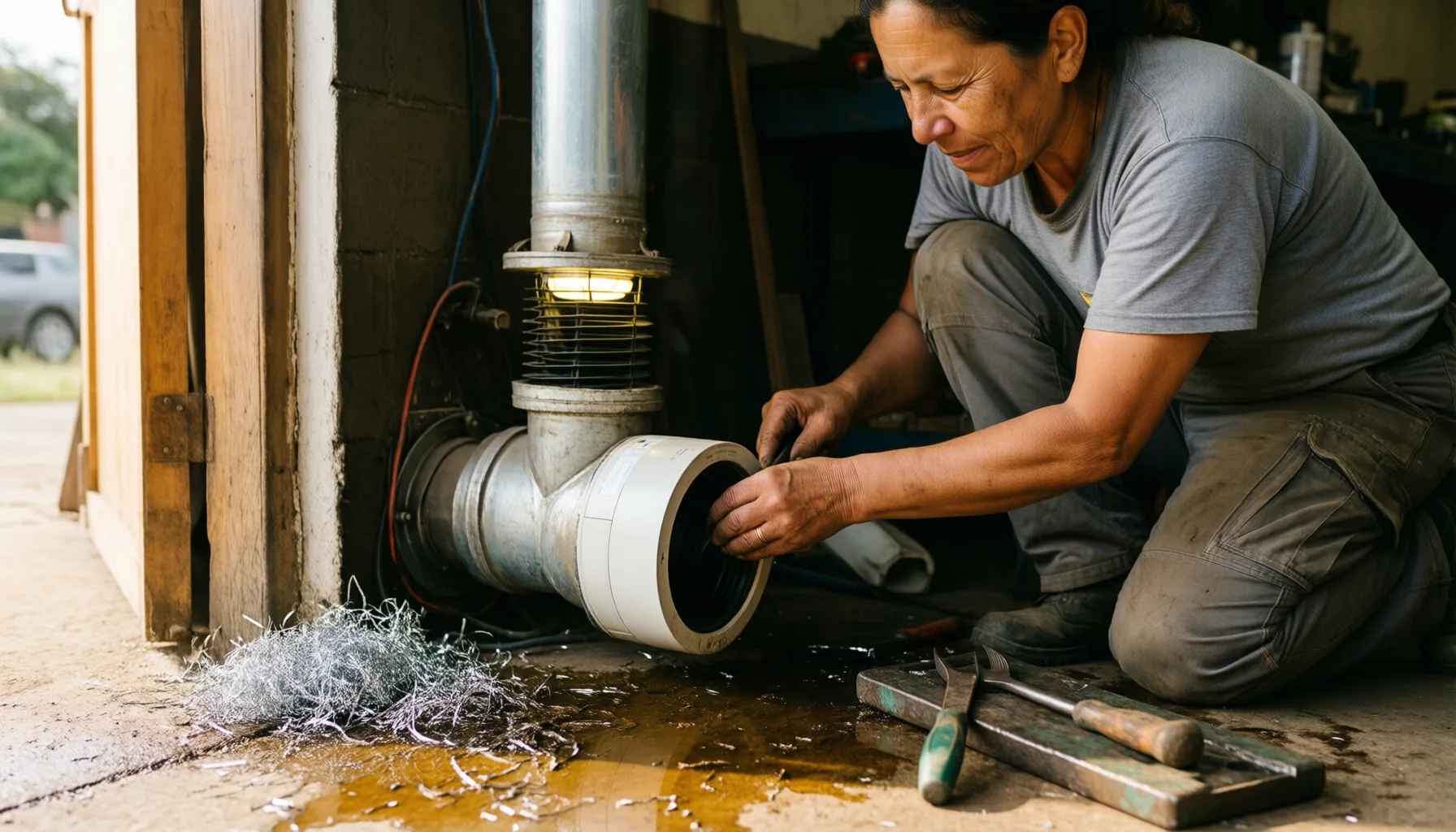
As the sun beats down during another humid day in North Miami, your air conditioning unit is your fortress against the stifling heat. Picture this: you walk into your home expecting a cool breeze, only to be greeted by warm air. Before you reach for your phone to call MaxCold AC Repairs, there are several quick fixes that might save you time and money. Understanding the common issues that plague AC units in our tropical climate can make all the difference, especially when storms and moisture start to take their toll.
Why This Matters for North Miami Homeowners
Navigating air conditioning troubles in North Miami can be a daunting task, especially with the unique challenges posed by our environment. High humidity levels and corrosive salt air can affect even the most robust units, leading to premature wear and tear. Homeowners often overlook the importance of regular maintenance, leading to costly breakdowns right when the oppressive heat sets in.
The escalating costs of professional repairs, coupled with the reality of living in a hurricane-prone area, mean that having your AC unit functioning optimally isn't just a comfort; it's a necessity. Ignoring the tell-tale symptoms of a malfunctioning system can result in much larger issues later on, including complete system failure.
Moreover, with elevated homes designed to withstand flooding, understanding the way moisture interacts with your AC equipment is vital. This not only impacts the operation but can also introduce electrical problems that may pose safety risks if not promptly addressed.
Expert Solutions & Actionable Tips
1. Check Your Thermostat Settings
Before calling a technician, make sure your thermostat is set to 'cool' and that the temperature is lower than the room temperature. This simple adjustment can sometimes resolve cooling issues. Ensure that the batteries are fresh if it’s a battery-operated model; replacements typically cost around $5-10.
If the thermostat seems unresponsive, consider recalibrating it, which can often be done in a matter of minutes, potentially saving you an unnecessary service call.
2. Replace or Clean the Air Filter
One of the easiest maintenance tasks is checking your air filter. Clogged filters can restrict airflow and strain your system, leading to inefficient cooling. Purchase new filters typically costing between $15-30, or clean reusable ones to restore full airflow.
A clean filter not only improves efficiency but can also enhance your indoor air quality, which is crucial in our humid climate.
3. Inspect the Circuit Breaker
Sometimes, your AC unit might trip the circuit breaker, stopping it from functioning. Check the breaker box for any tripped switches and reset them if necessary. This quick check can take just a couple of minutes and is often overlooked.
Understanding the electrical system of your home is fundamental. If you're unfamiliar with the breakers, consider reaching out for professional help to avoid electrical hazards.
4. Clear Debris from the Outdoor Unit
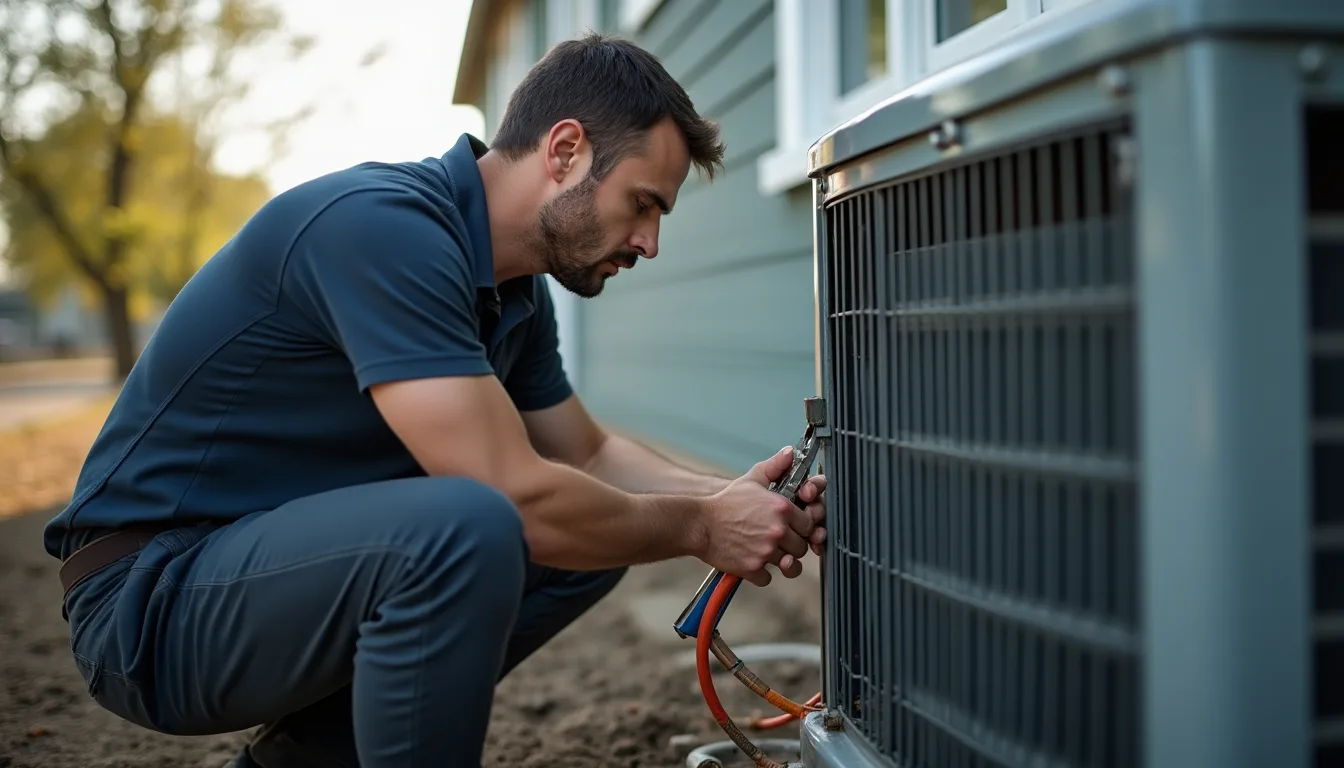
Ensure that your outdoor AC unit is free from leaves, dirt, and debris. An obstructed outdoor unit won't perform efficiently and can lead to overheating. A quick clean-up with a hose can often resolve issues that may arise from blockage.
This should be done periodically, especially after storms that might leave debris scattered around the unit.
5. Look for Refrigerant Leaks
If your system is running but not cooling, check for signs of refrigerant leaks, which appear as oily spots around the unit. While topping off refrigerant might seem like a simple solution, this task often requires a professional to recharge it legally.
Spotting a leak early can save on bigger repairs that arise from low refrigerant levels.
6. Check the Drain Line
A clogged condensate drain line can cause your system to shut down to prevent water damage. Locate the drain line and clear any blockages. If you find mold or sludge, carefully clean it out or use a wet/dry vacuum.
Regularly maintaining this line can prevent bigger repair issues during peak humidity months.
North Miami Climate & Local Context
North Miami's unique climate presents a set of challenges for homeowners, particularly when it comes to air conditioning systems. The constant humidity and the presence of salt in the air can corrode components and lead to faster wear. Homes in this area often utilize elevated structures to mitigate flood risks, which can impact how air conditioning systems are installed and function.
Local building codes may dictate the positioning of AC units and their drainage systems to handle the heavy rains typical during storm season. Understanding these regulations is crucial when considering installation or repairs, as non-compliance may lead to issues with insurance claims following storm damage.
When to Call a Professional
While do-it-yourself fixes can handle many minor problems, there are critical signs that indicate the need for professional assistance. Understanding when to call in the experts can save you from exacerbating existing issues or risking safety.
- Continuous warm air blowing from vents
- Foul odors emanating from the unit
- Frequent tripping of circuit breakers
- Water pooling near the indoor or outdoor unit
- Odd noises like hissing or banging
- Visible rust or corrosion on components
- Unresolved refrigerant issues
- Frost buildup on the refrigerant lines
When uncertainty arises, it’s better to contact MaxCold AC Repairs for a consultation, ensuring a thorough inspection and repair.
Frequently Asked Questions
How often should I service my AC unit in North Miami?
It's advisable to service your AC unit at least twice a year in North Miami due to the high humidity, which can affect your cooling system's efficiency.
What should I do if my AC unit is leaking water?
If your AC unit is leaking water, check the drain line for clogs. If the problem persists, it’s best to contact MaxCold AC Repairs for a professional assessment.
Can I use regular household cleaners to clean my AC filters?
Avoid using harsh household cleaners; instead, simply wash your filters with water. If they're heavily soiled, replacing them might be a better option.
Will my homeowner's insurance cover AC repairs?
Coverage for AC repairs can vary by policy. Review your insurance policy or consult your agent for details specific to North Miami.
Why does my AC unit smell bad?
A musty or burning smell can indicate mold or electrical issues. It's essential to turn off the unit and contact a qualified technician immediately.
Get Expert Air Conditioning Repair Service in North Miami
Don’t let a minor AC issue turn into a major headache. If you’ve tackled these quick fixes and still need assistance, reach out to MaxCold AC Repairs at (786) 947-6223. Our experienced team is ready to ensure your air conditioning is running smoothly, providing you with the comfort you deserve in North Miami.
Keep your home cool and your air clear by trusting the experts at MaxCold AC Repairs to handle all your HVAC needs.